Life
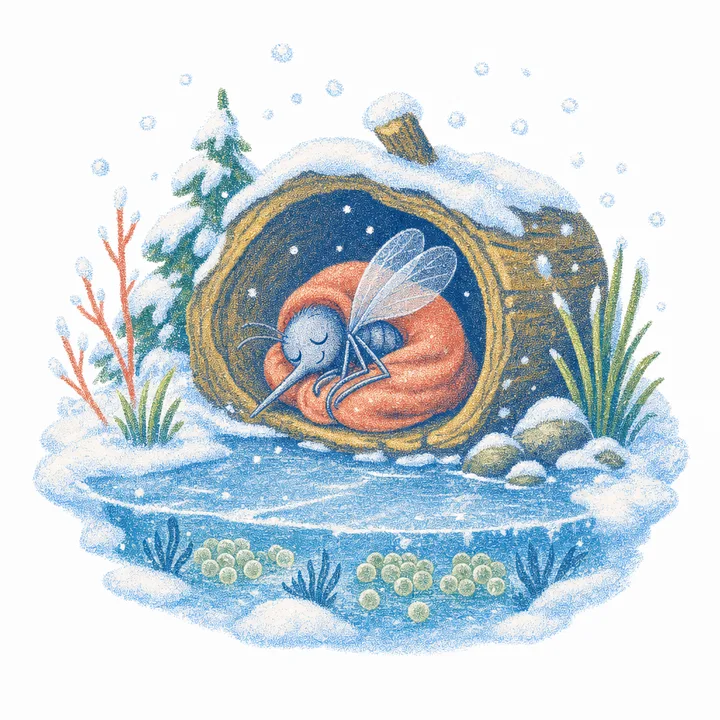
Where mosquitoes go in winter
Find out how mosquitoes survive the cold until spring.
Plants, bodies, germs and the story of life on Earth. 64 ready to play, 3 coming soon.
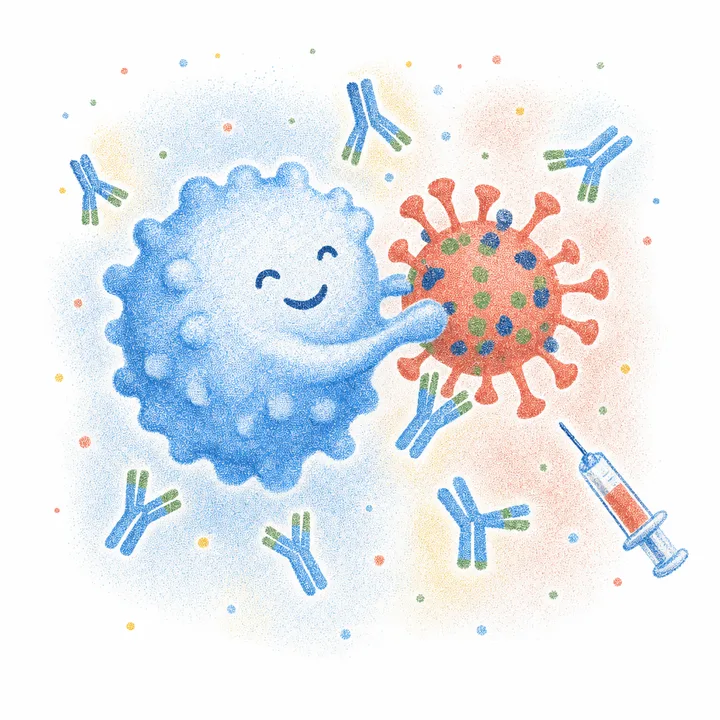
Show your immune system a wanted poster before the real villain arrives.
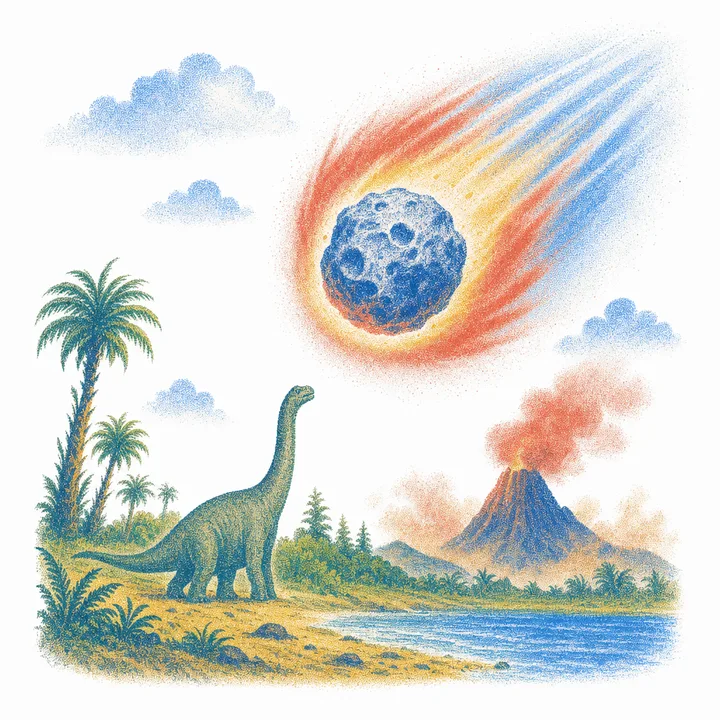
Drop the asteroid and follow the dust that dimmed the whole planet.
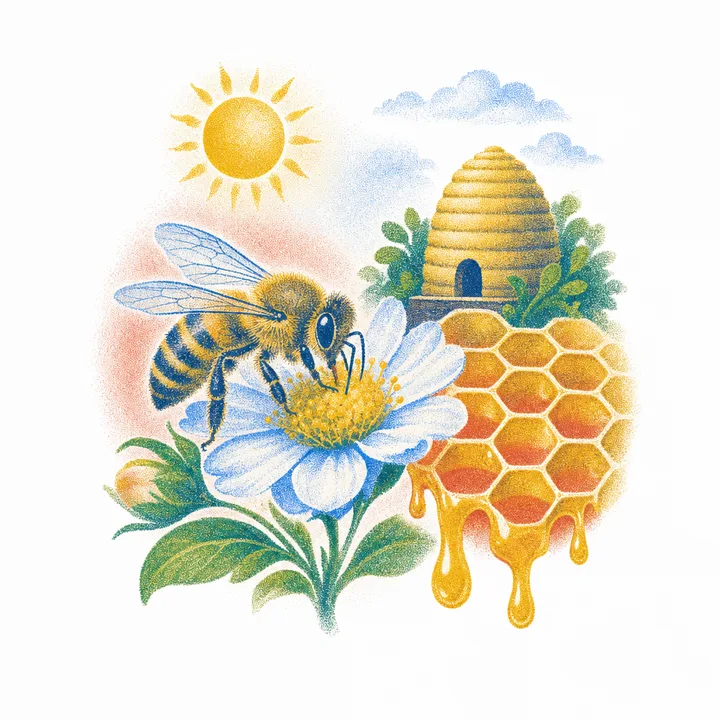
Follow one sip of nectar from flower to honeycomb.
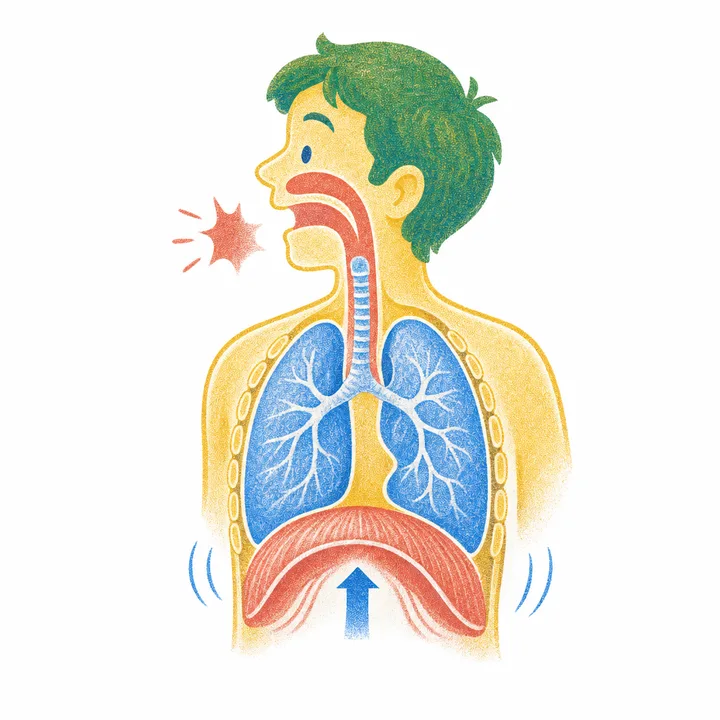
Poke the diaphragm and hear the snap that makes the 'hic'.
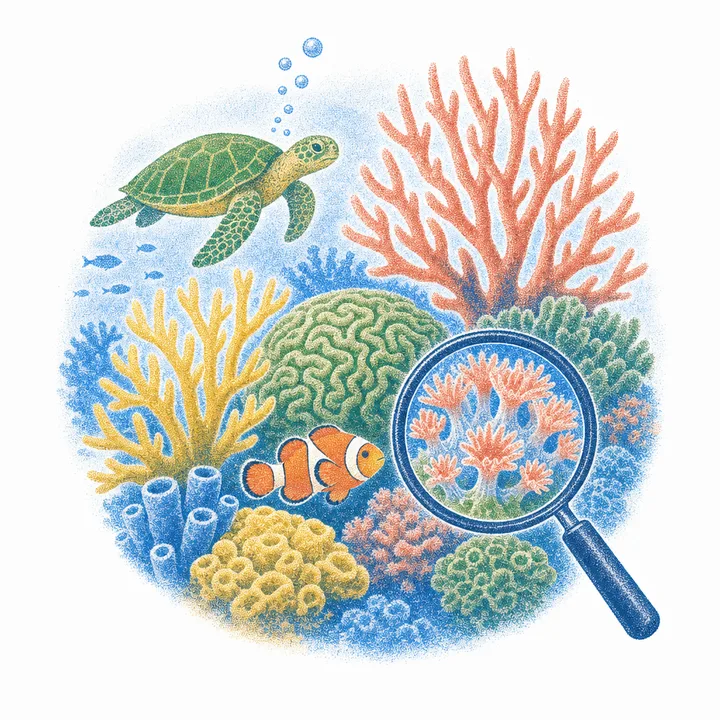
Meet the tiny animals that build the biggest structures on Earth.
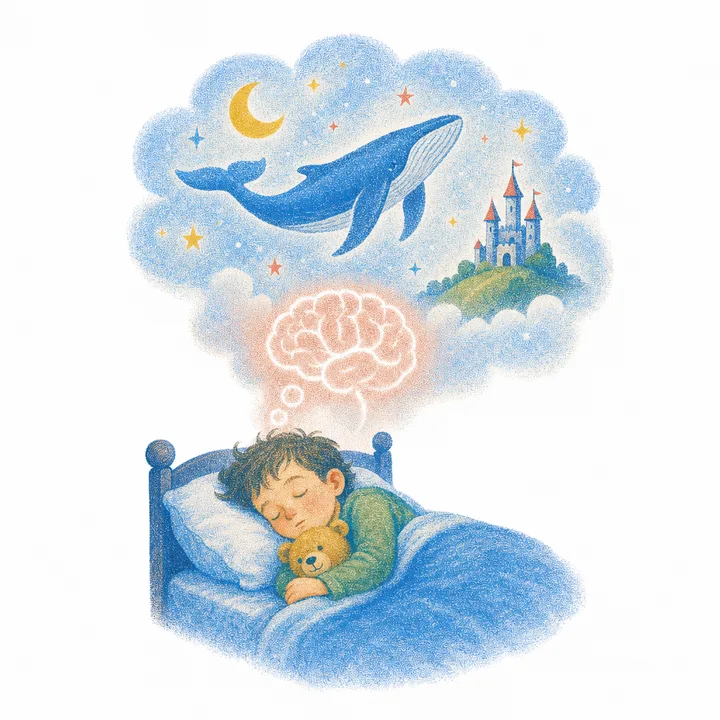
Follow your brain through a night of sleep cycles.
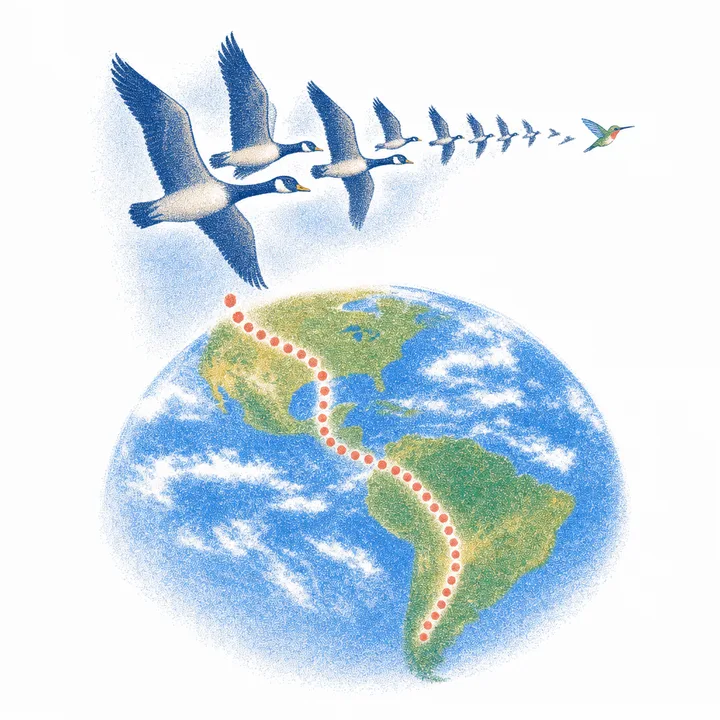
Fly south with the flock and find your way with the Sun and stars.
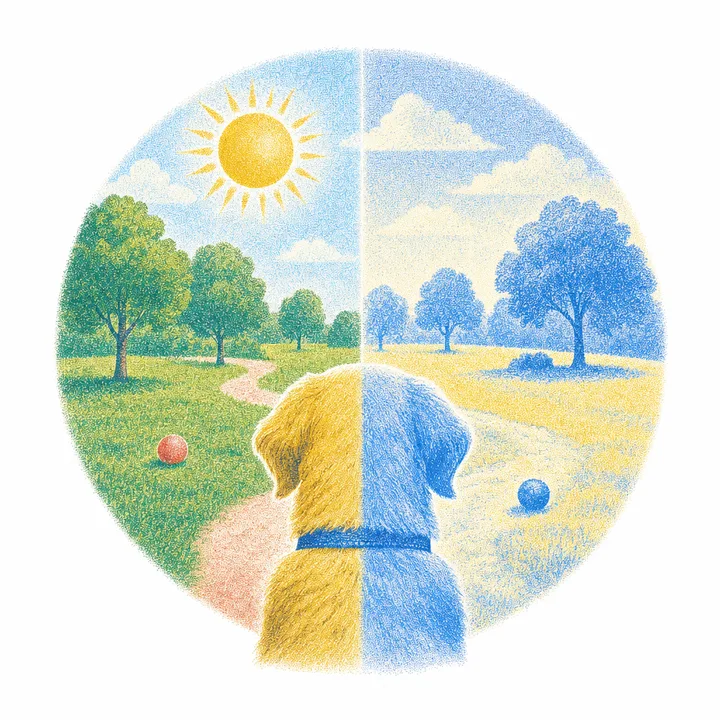
Switch to dog vision: fewer colours, a better nose for motion.
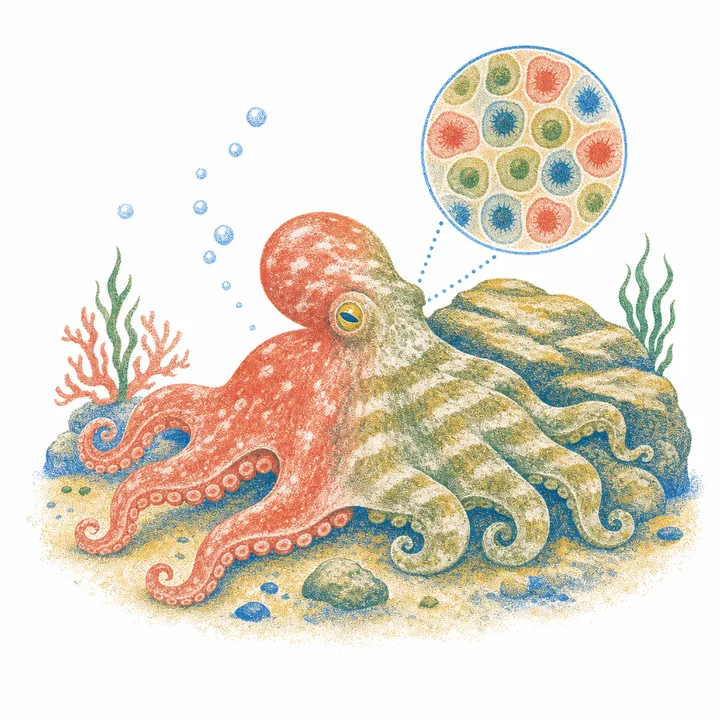
Squeeze thousands of tiny colour sacs and vanish against a rock.
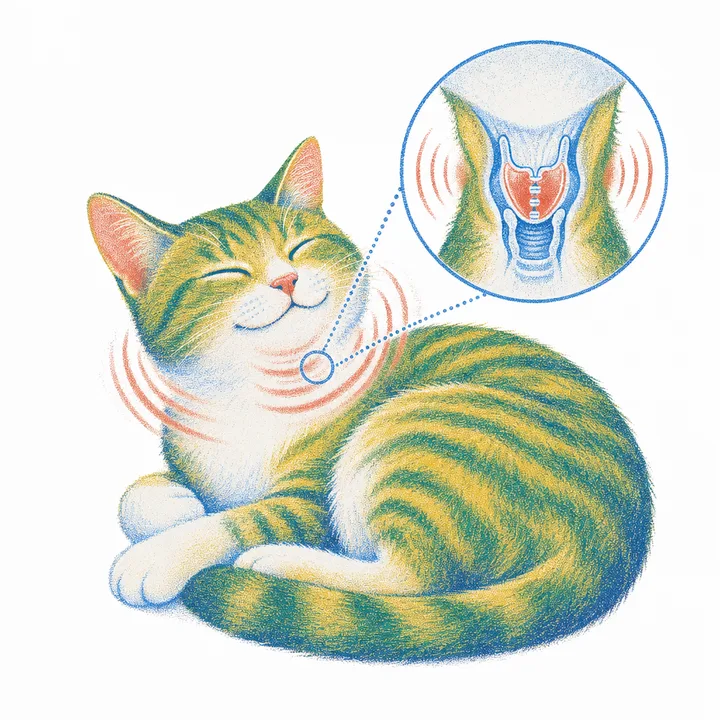
Twitch the voice box 25 times a second and feel the rumble.
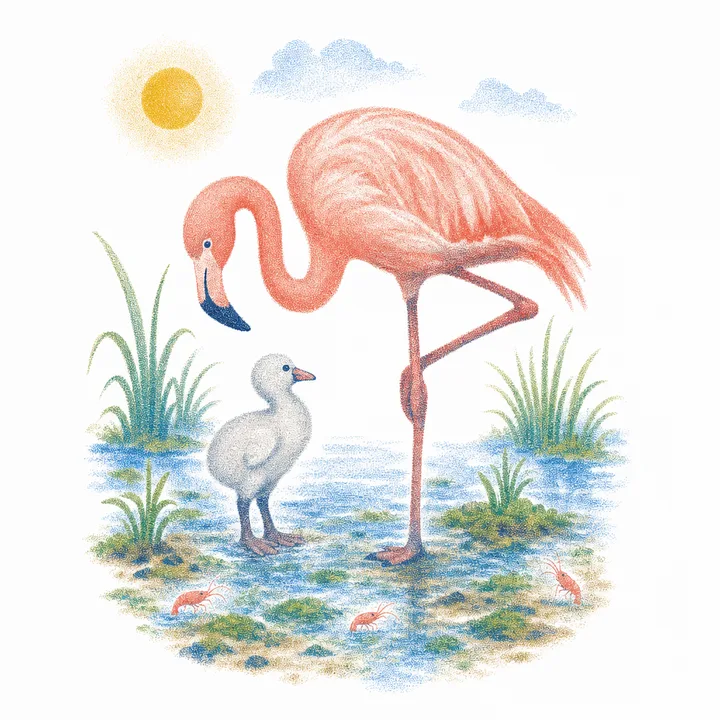
Feed a grey chick shrimp and algae and watch the pink arrive.
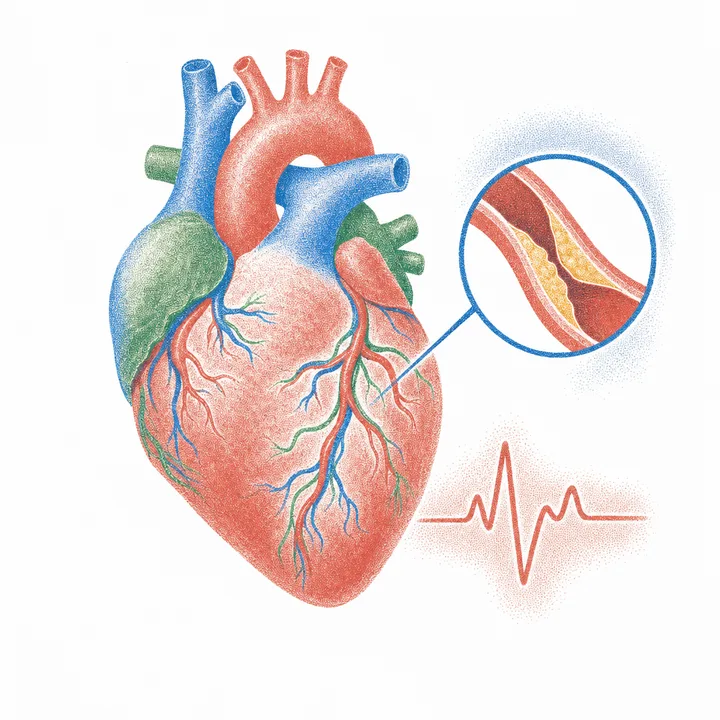
Follow the blood to the heart muscle and see what blocks the way.
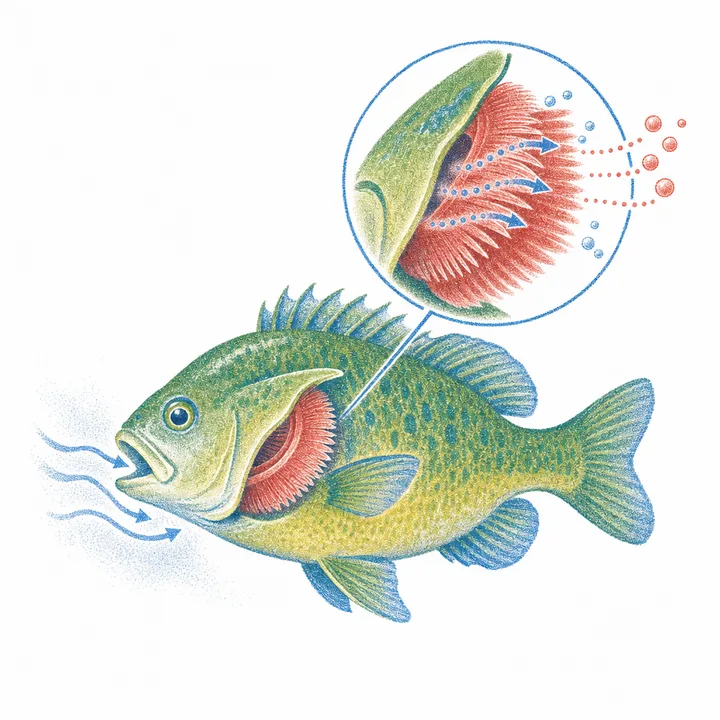
Push water over feathery gills and pull the oxygen out.
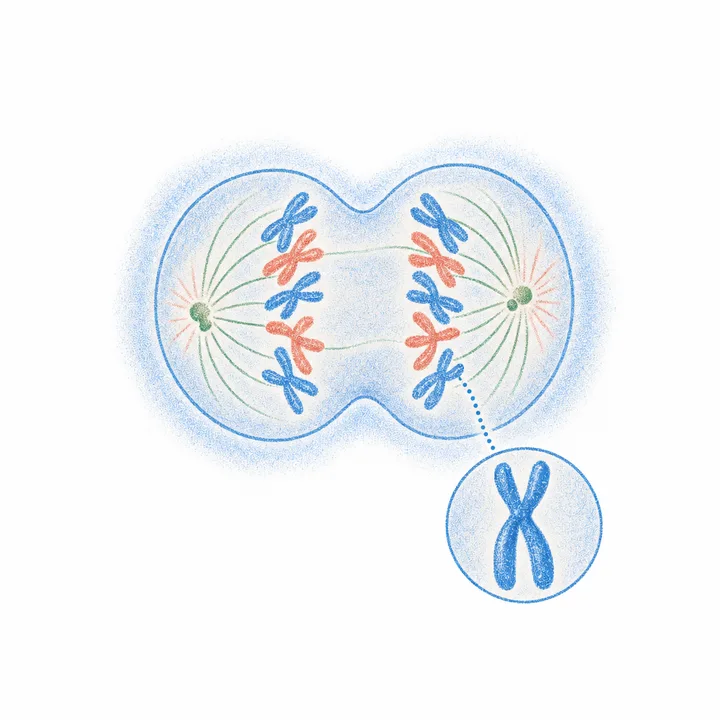
Copy the instructions, pull them apart, and make two cells from one.

Mix paint and mix light, and see why they give opposite answers.
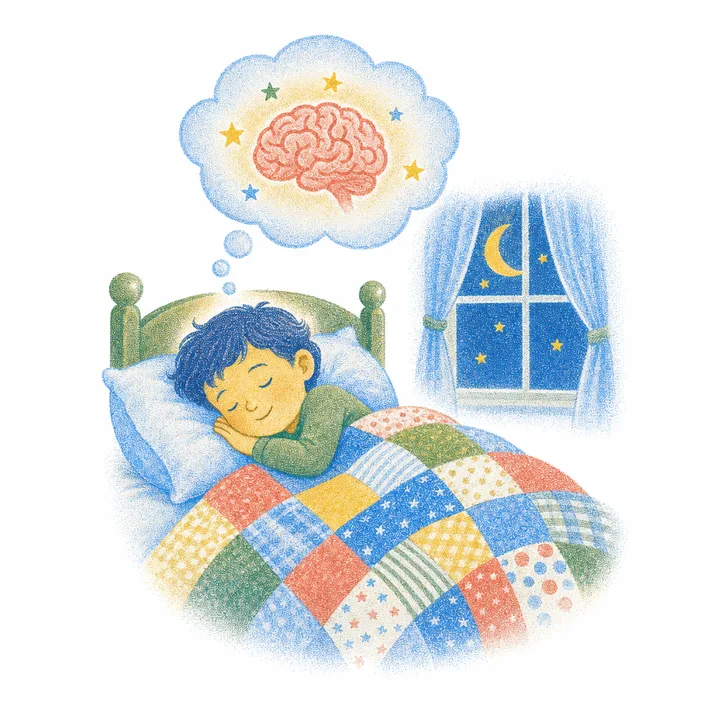
Follow your brain through a night and see what it fixes while you rest.
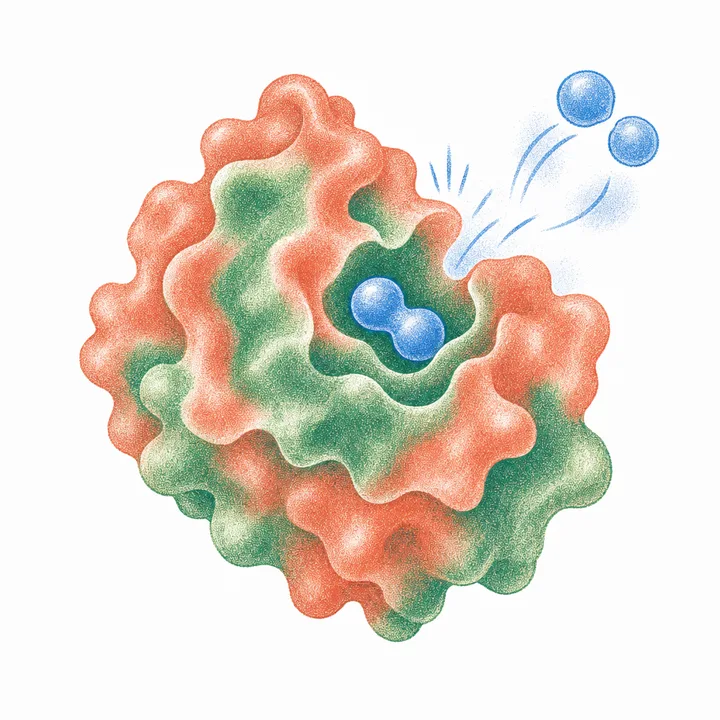
Fit the right molecule into the pocket and snap a reaction a million times faster.
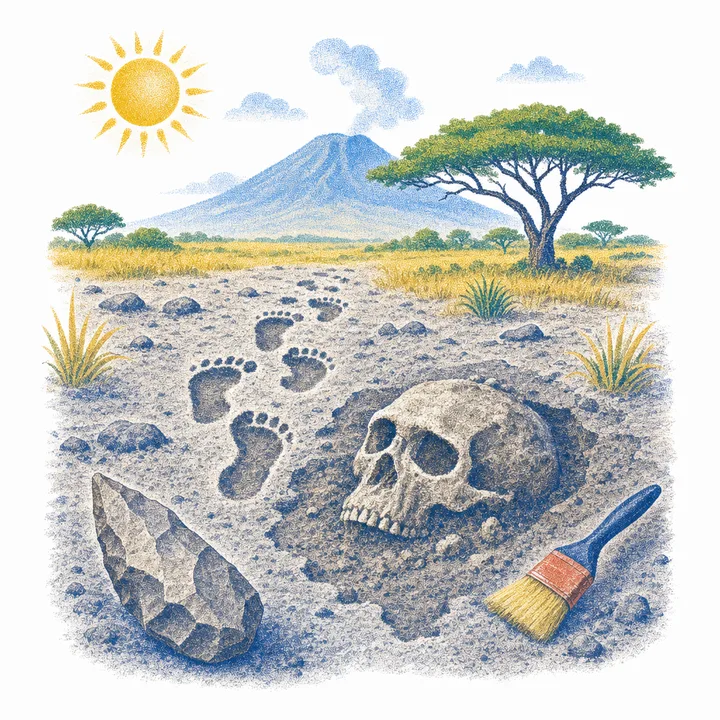
Walk the family tree from ancient footprints to us.
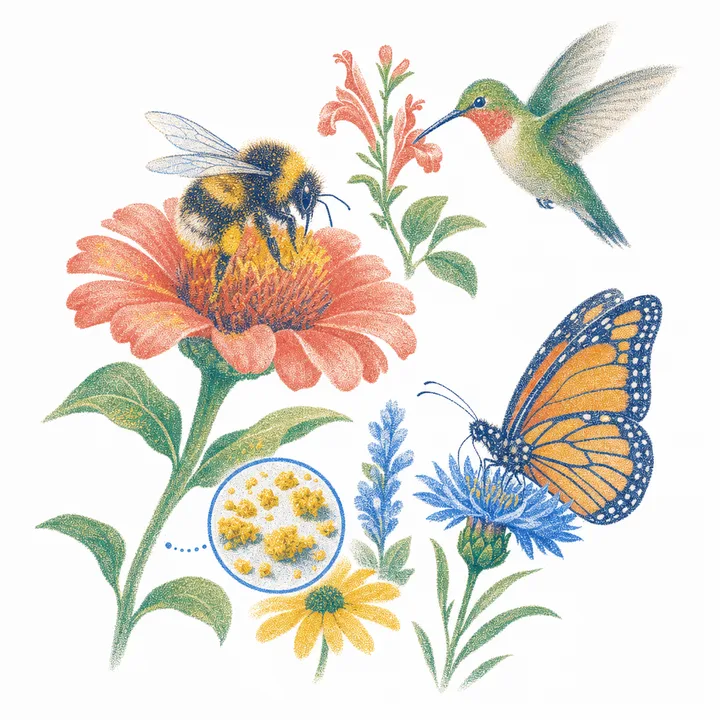
Carry pollen from flower to flower and grow a fruit.
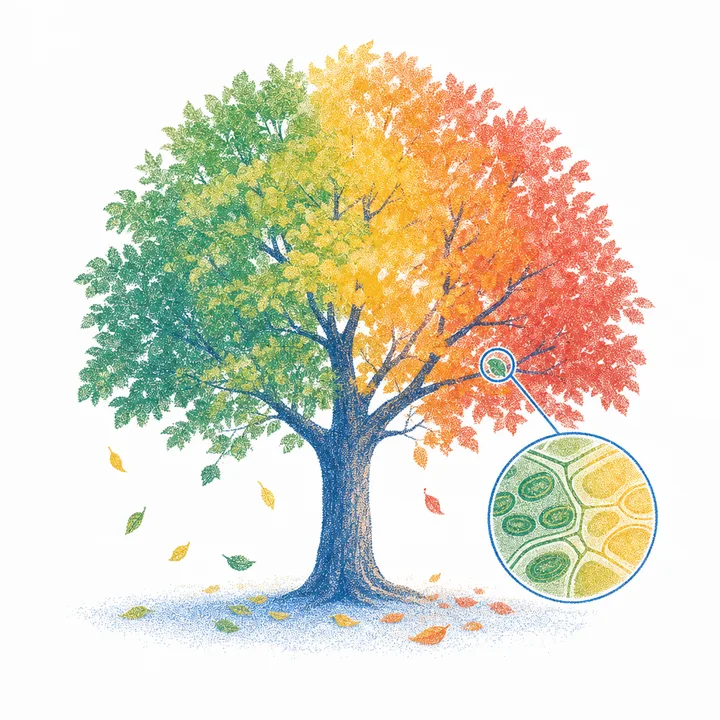
Switch off the green factory and watch hidden yellows appear.
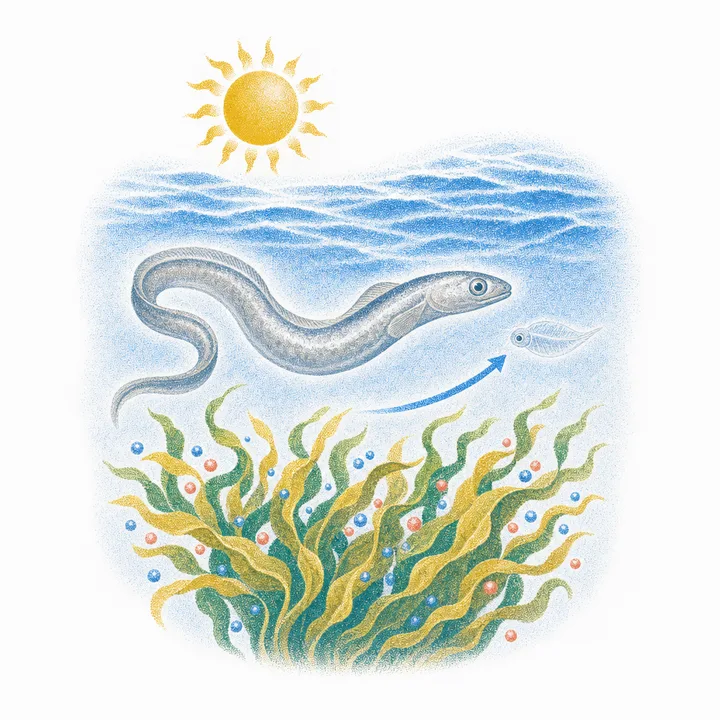
Follow an eel thousands of kilometres to a secret sea to spawn.
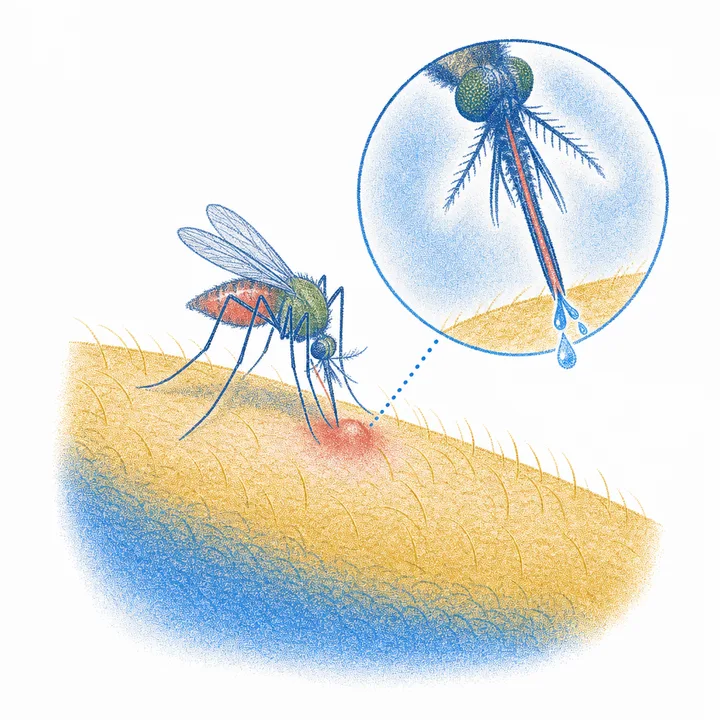
Watch your immune system sound the alarm at a tiny drop of spit.
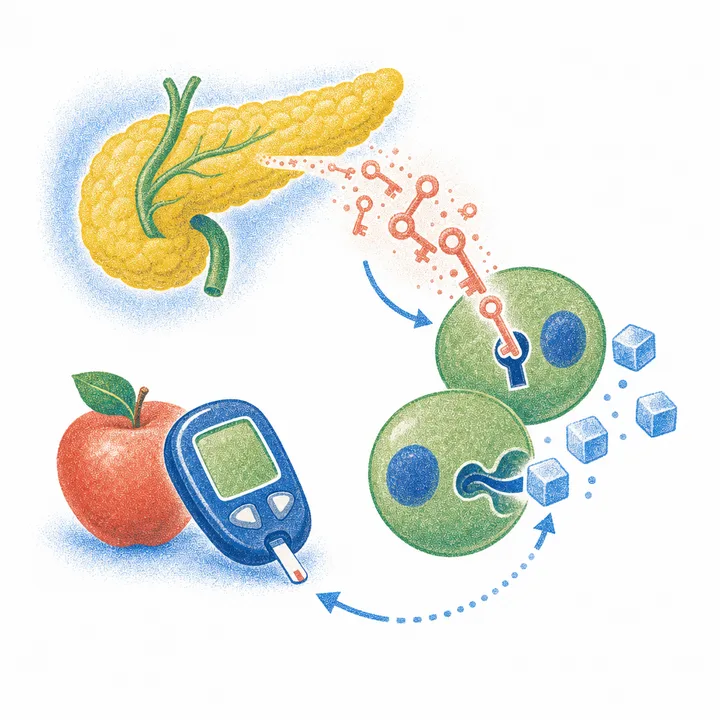
Run out of insulin keys and watch sugar pile up in the blood.
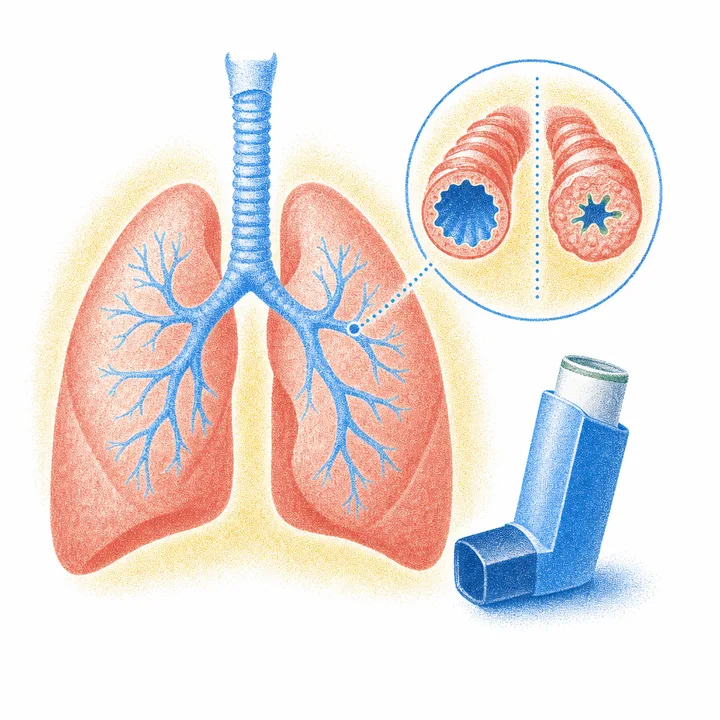
Squeeze and swell the airways and feel how hard breathing gets.
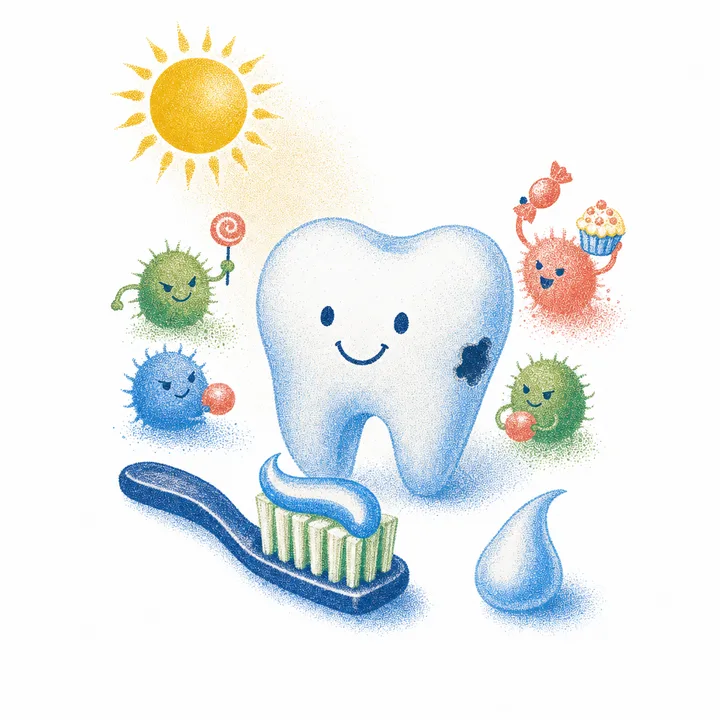
Feed sugar to mouth bacteria and watch acid dig into a tooth.
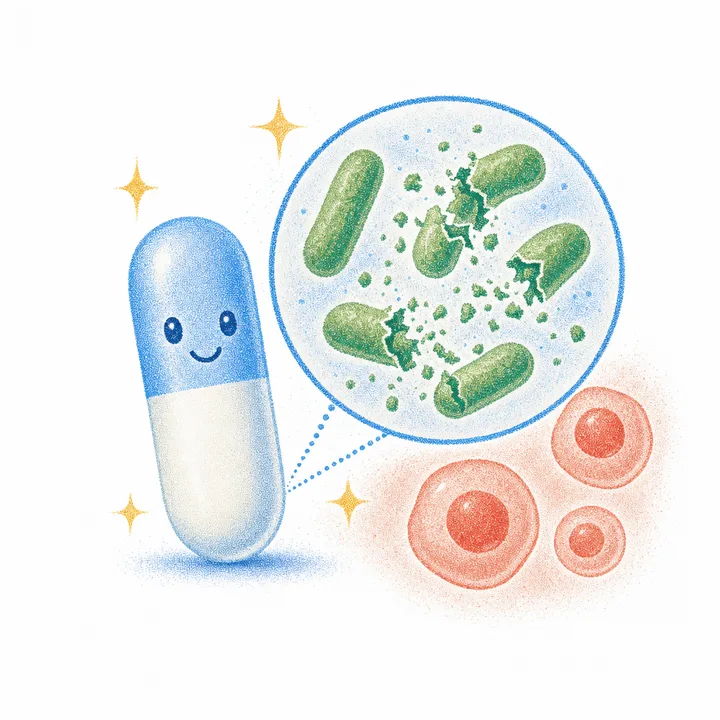
Break a bacterium's wall and leave your own cells alone.
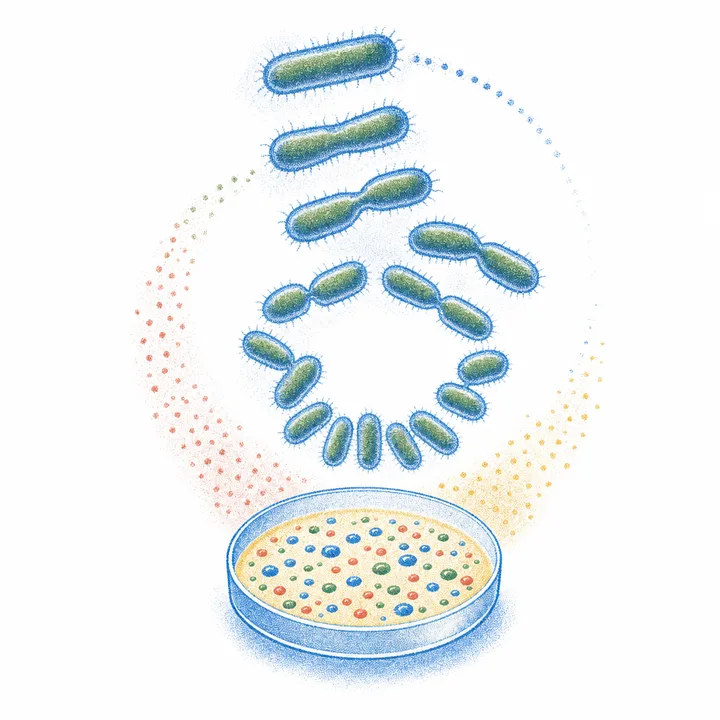
Split one cell in two, then four, then a million by lunchtime.
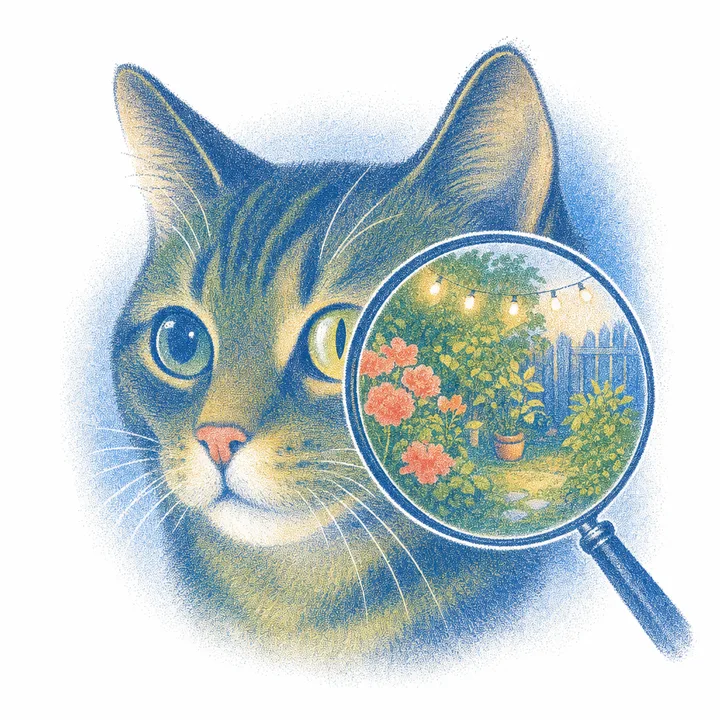
Switch to cat eyes: great in the dark, blurry up close.

Catch a yawn, and find out why it's so contagious.
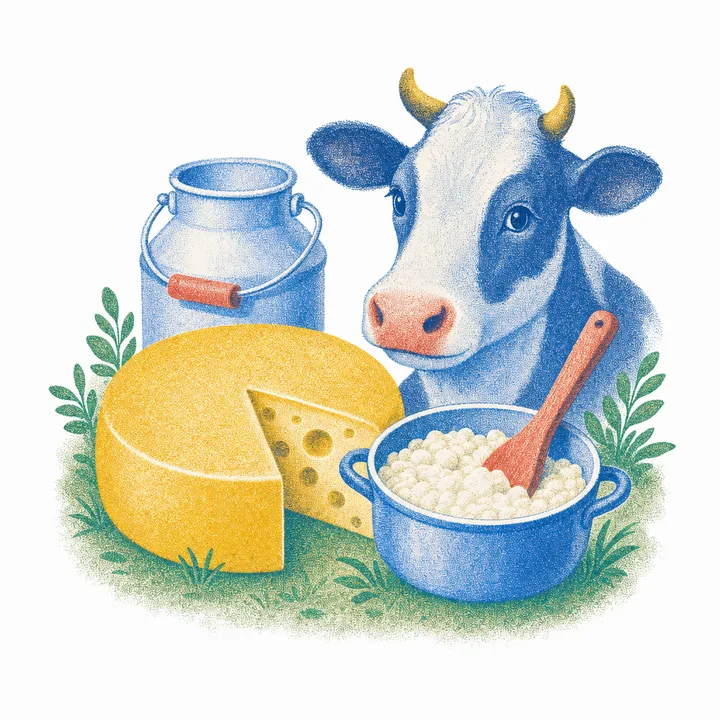
Curdle milk, press the curds and let tiny microbes do the rest.
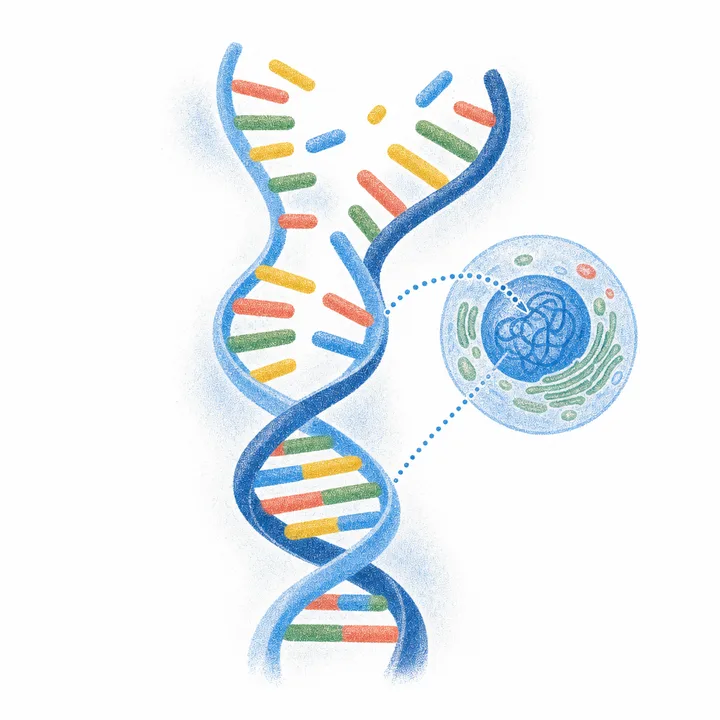
Unzip the instruction book inside every one of your cells.
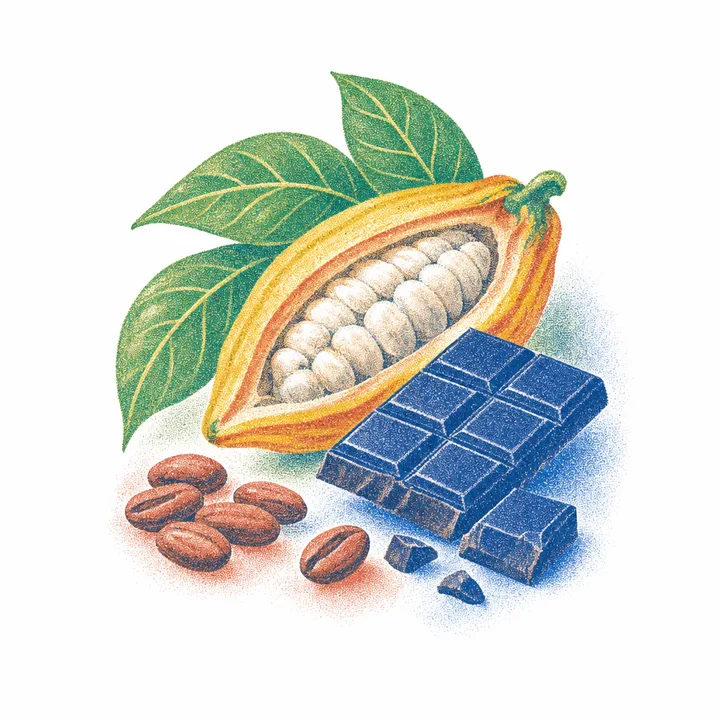
Follow a cacao bean from a rainforest pod to a chocolate bar.
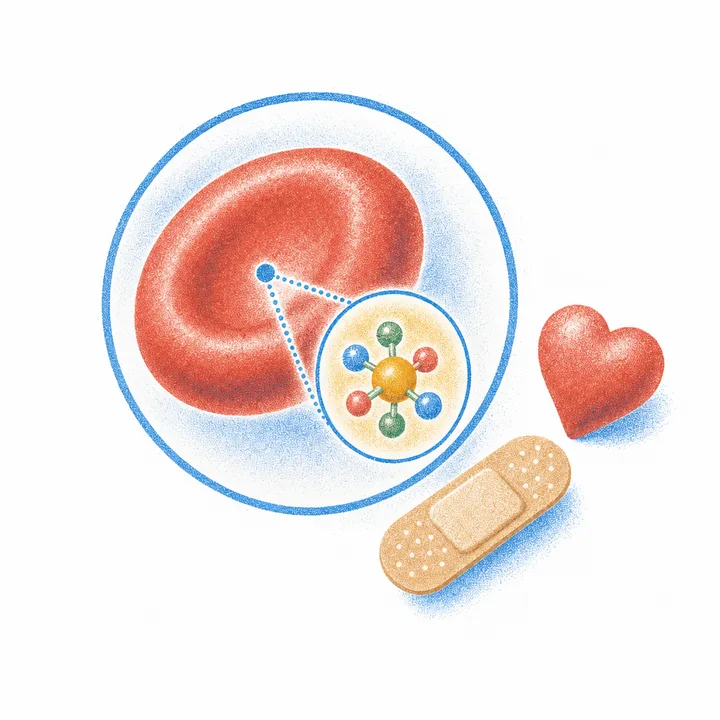
Zoom into a red blood cell and find the iron that grabs oxygen.
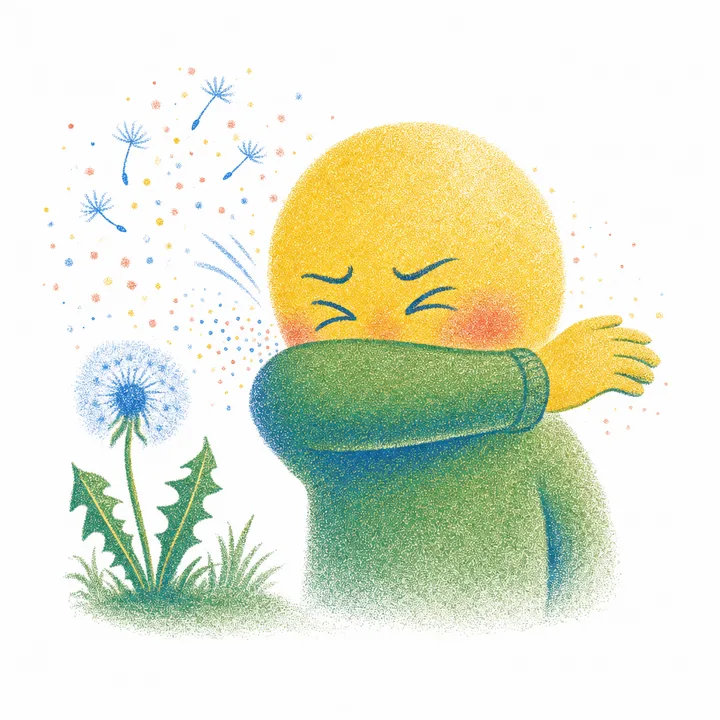
Tickle a nose and launch a 100-mile-an-hour achoo (maybe).
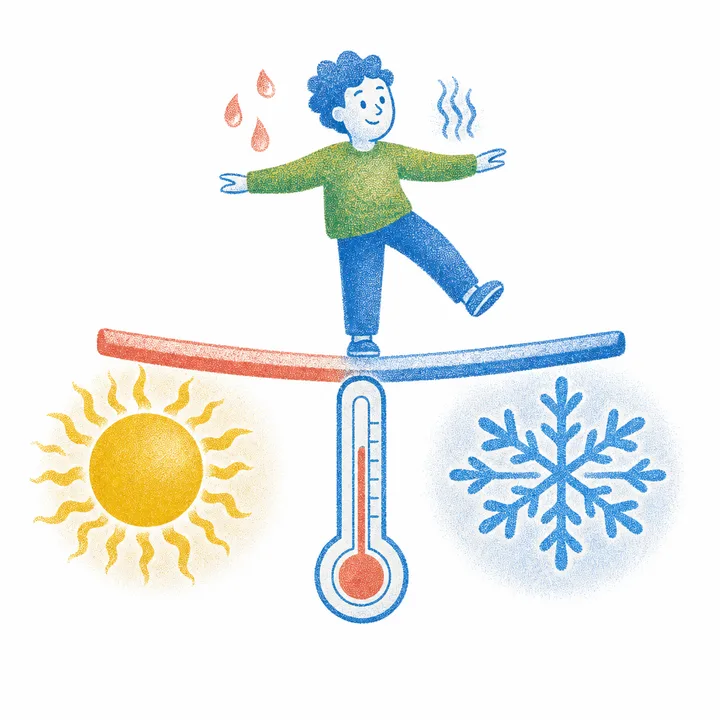
Keep a body at 37 °C through heatwaves and snowstorms.
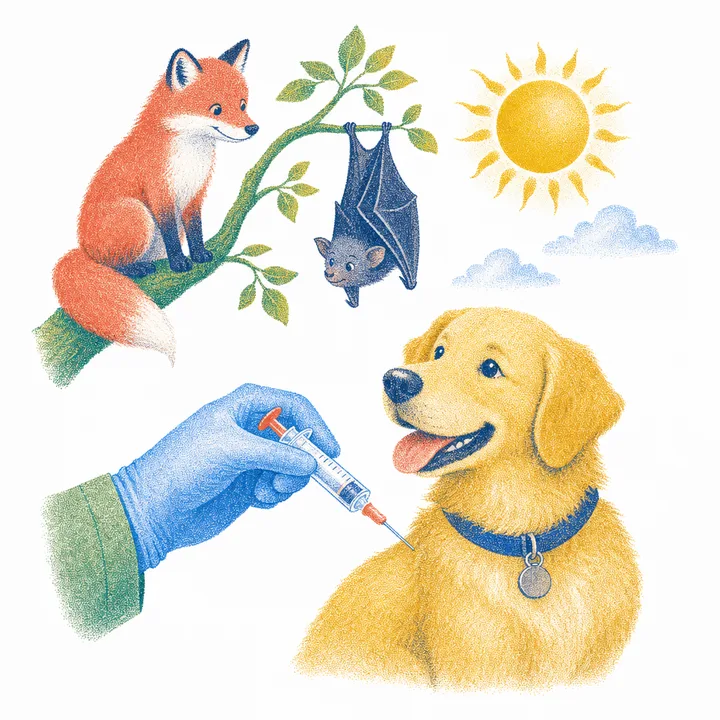
Follow a virus along the nerves and see why vaccines stop it.
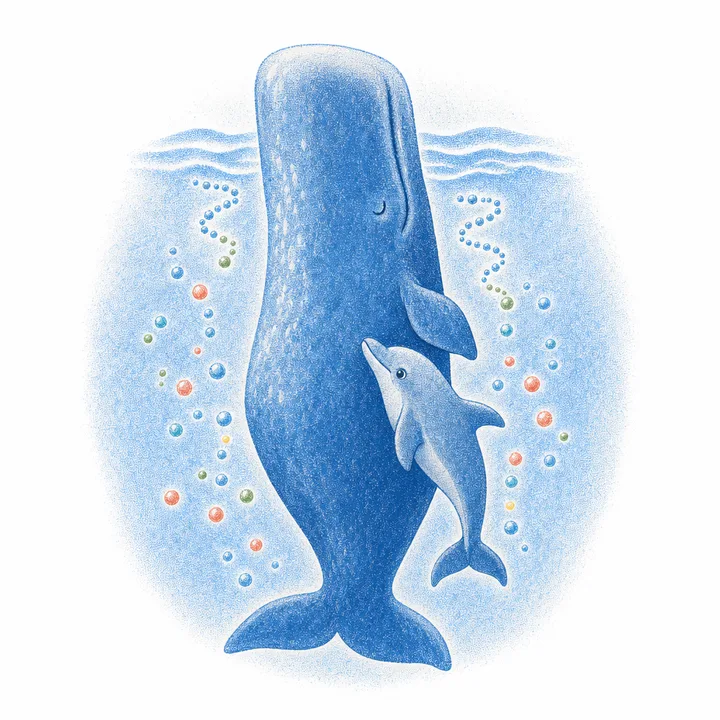
Rest half a brain at a time without forgetting to breathe.
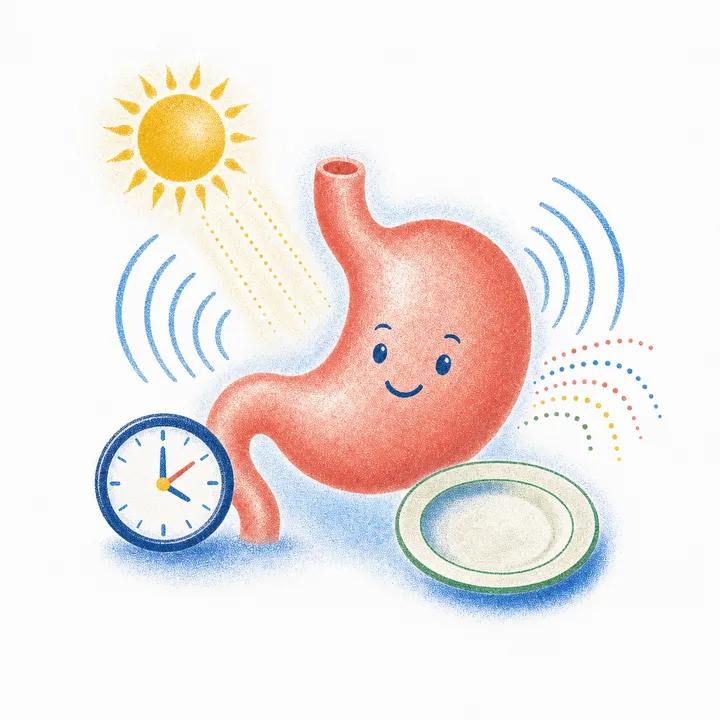
Listen in as your gut squeezes air and food along.
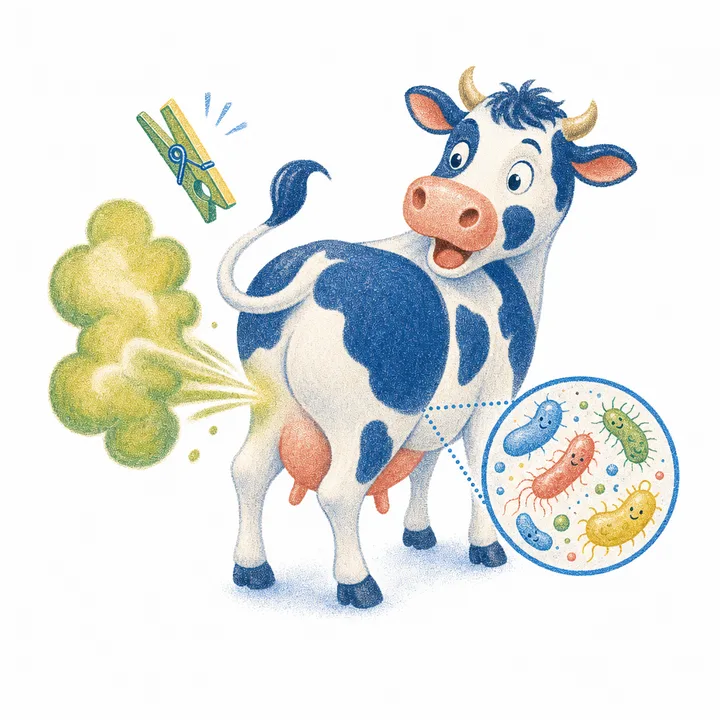
Meet the gut microbes that make a tiny bit of stinky gas.
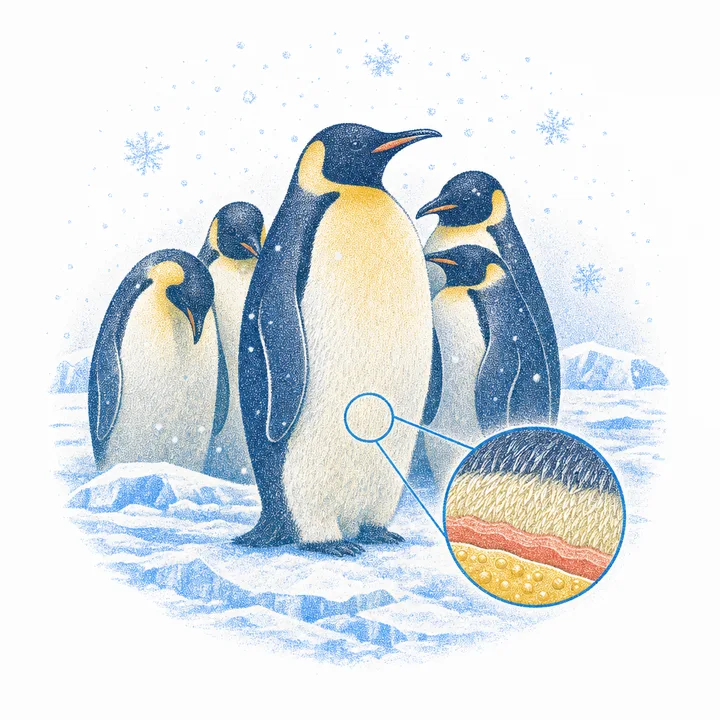
Huddle, fluff your feathers and swap heat in your feet.
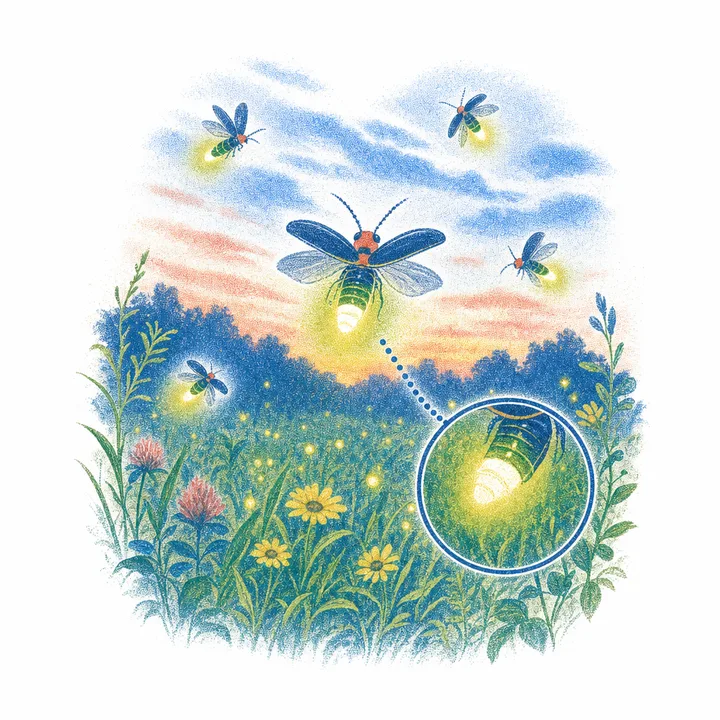
Mix a little chemical recipe that glows without getting hot.
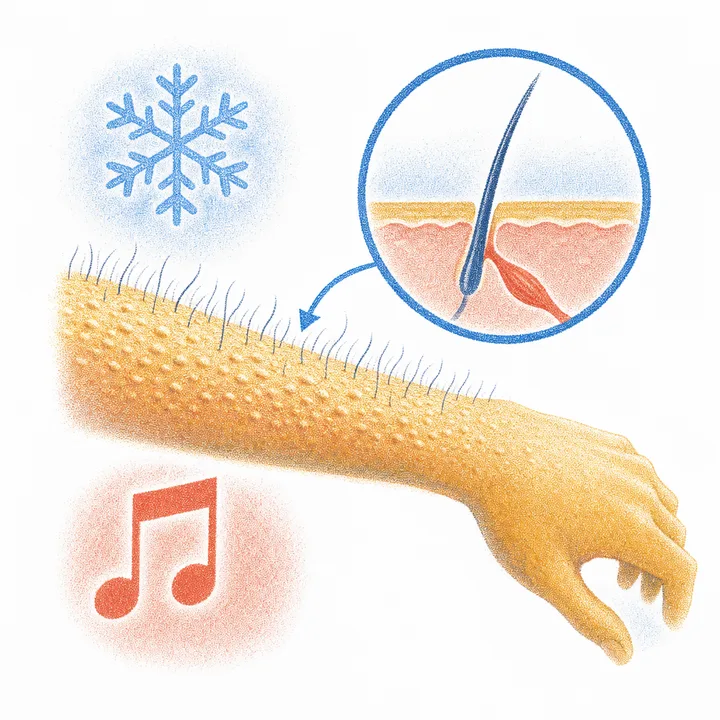
Flex hundreds of tiny muscles you never knew you had.
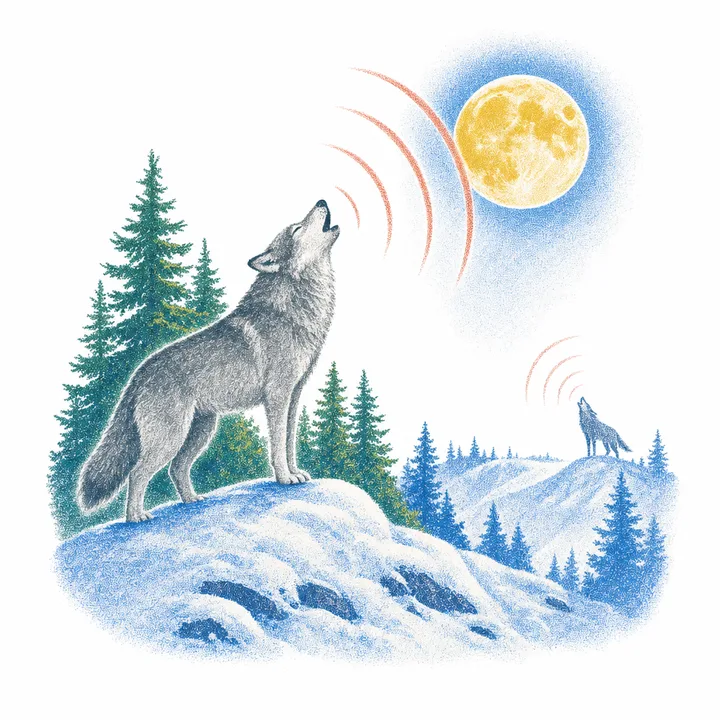
Send a message across miles of forest with one long note.
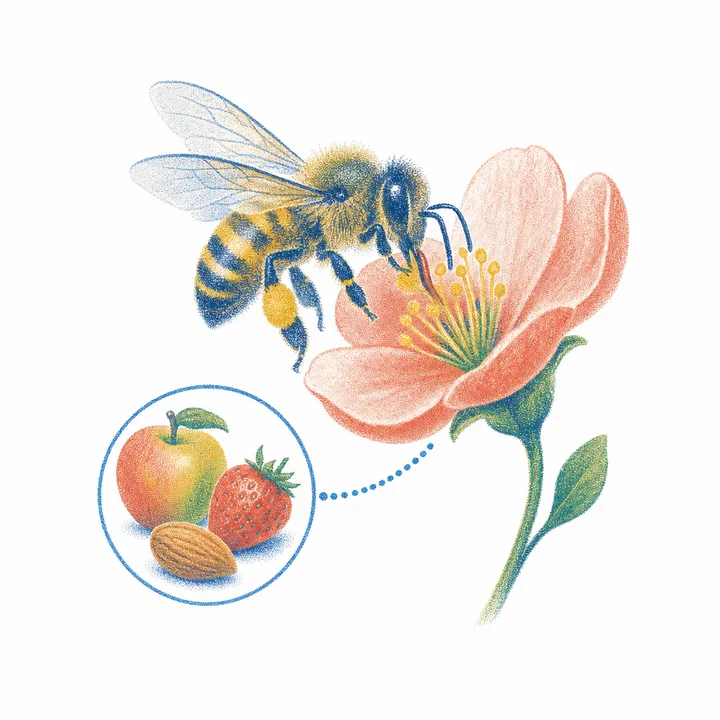
Count the foods that need a bee's fuzzy visit.
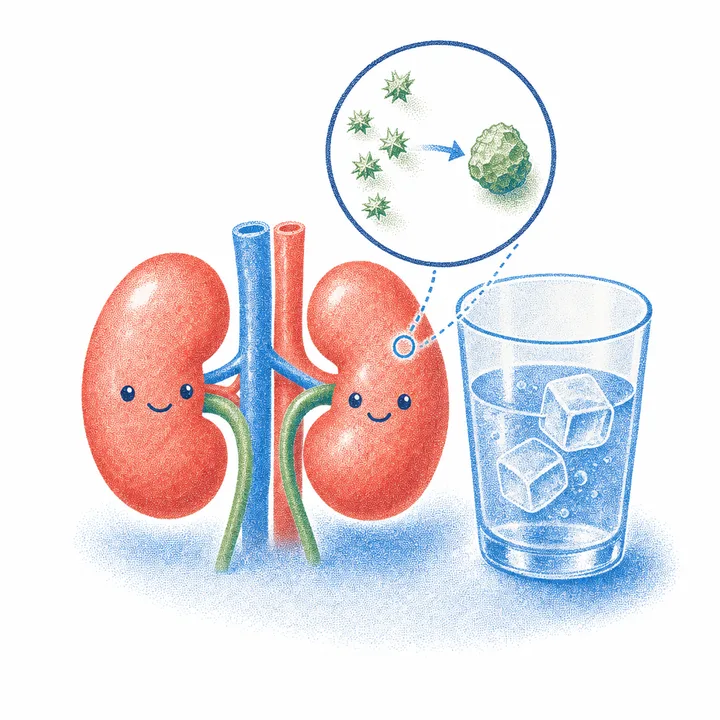
Watch tiny crystals grow into a pebble, and see how water stops them.
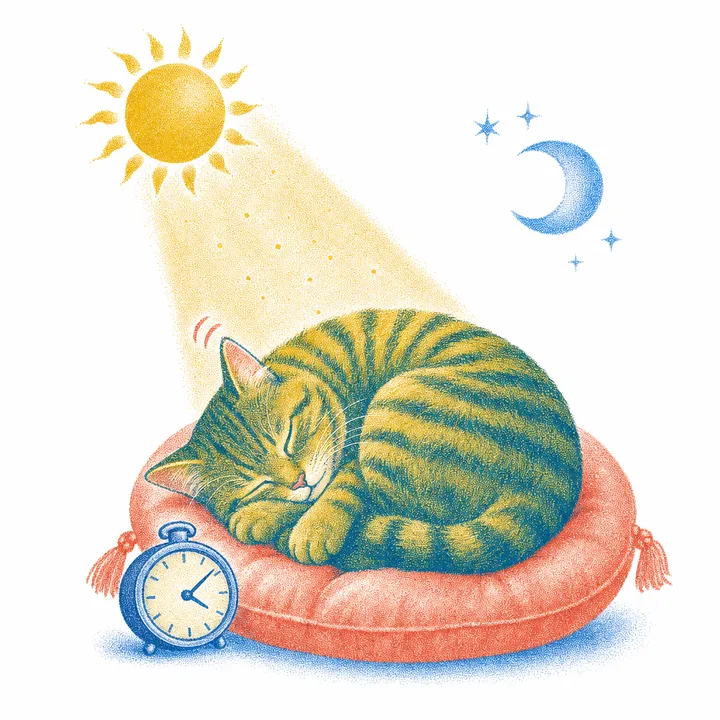
Nap like a hunter built for short, fast bursts.
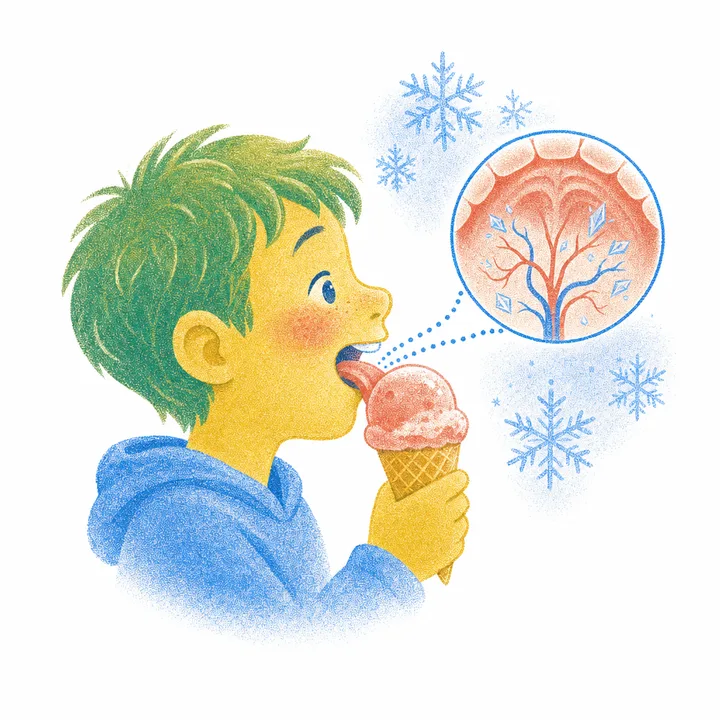
Chill the roof of your mouth and trick your brain.
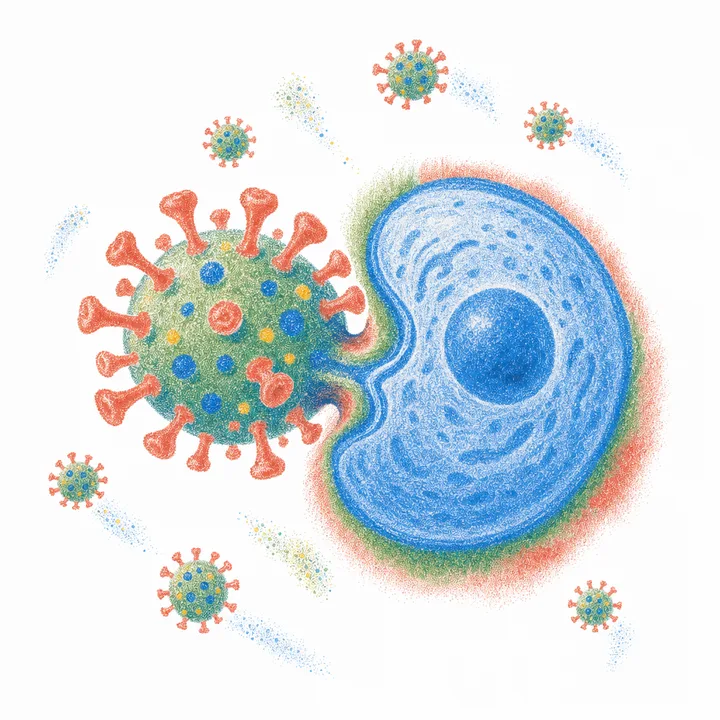
Meet a tiny hijacker that can't copy itself on its own.
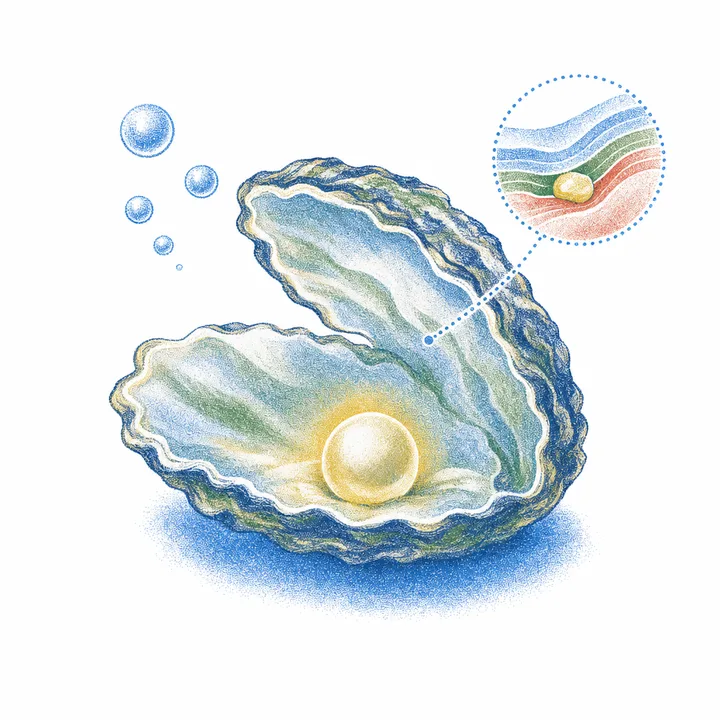
Watch an oyster wrap a tiny intruder in shiny layers.
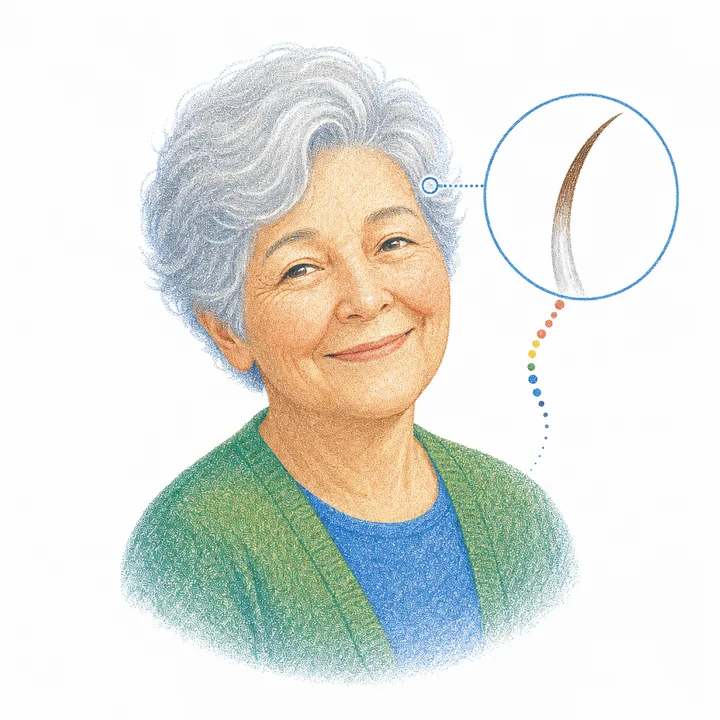
Watch pigment cells slowly run out of colour.
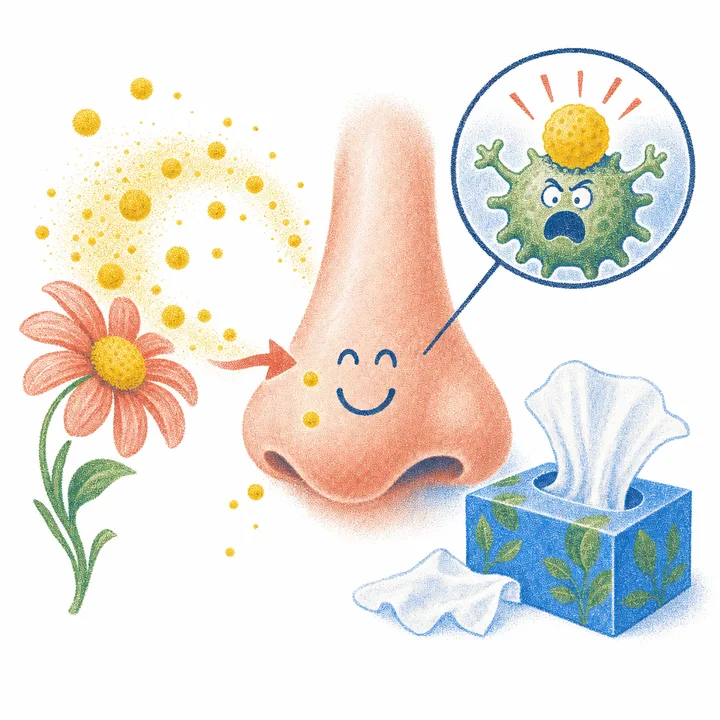
Watch your immune system panic over a harmless speck of pollen.
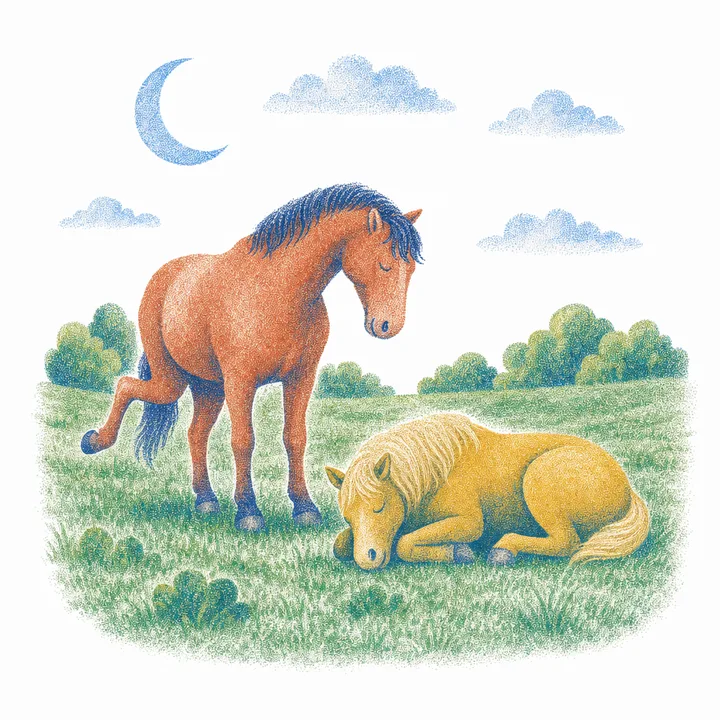
Lock your legs and doze standing up.
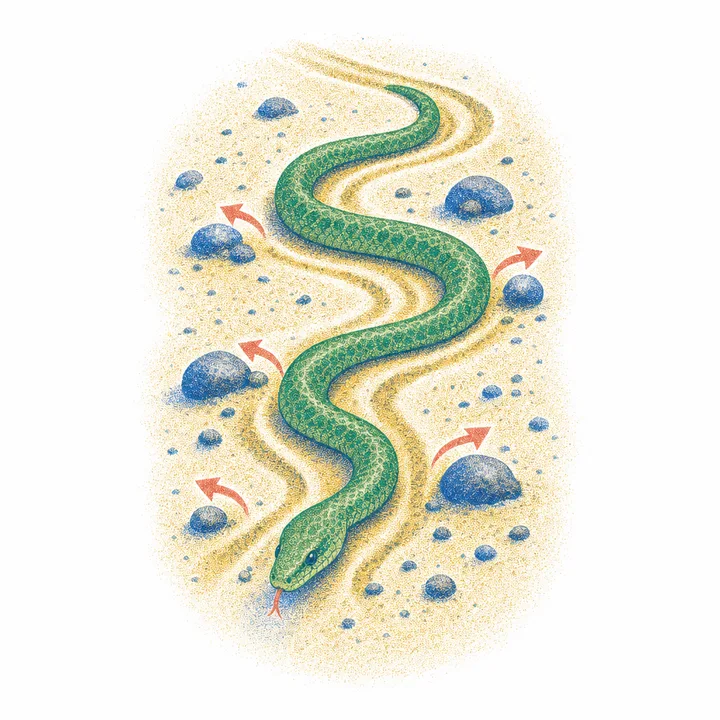
Slither without legs using four clever tricks.
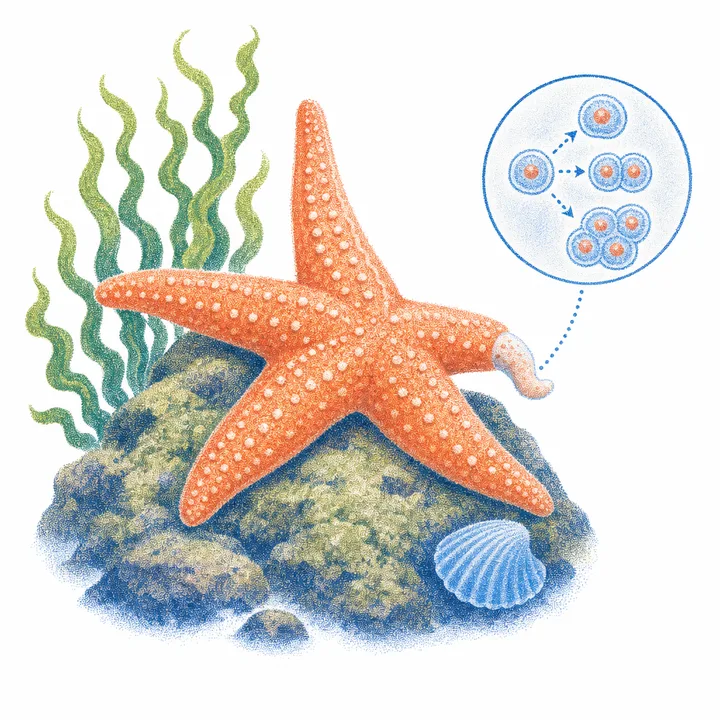
Lose an arm, grow it back.
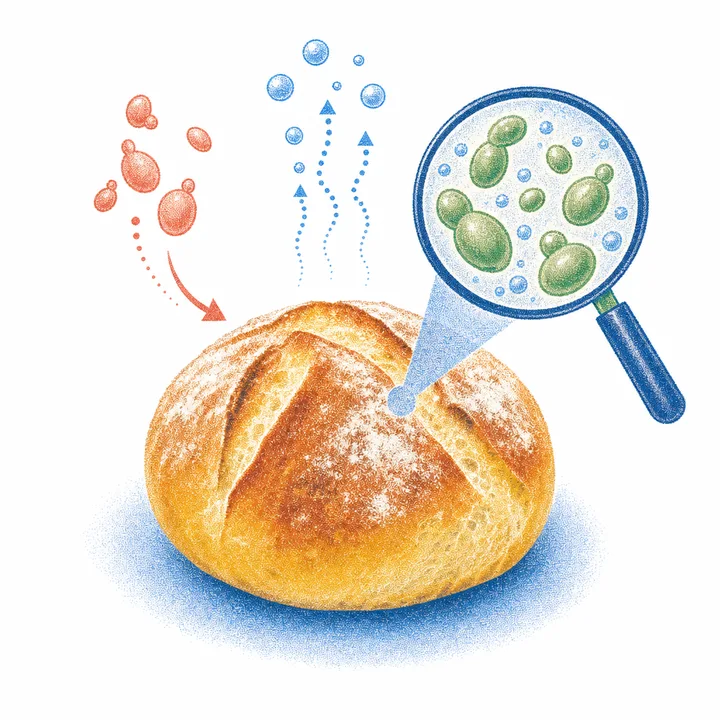
Meet the tiny fungus that makes bread rise.
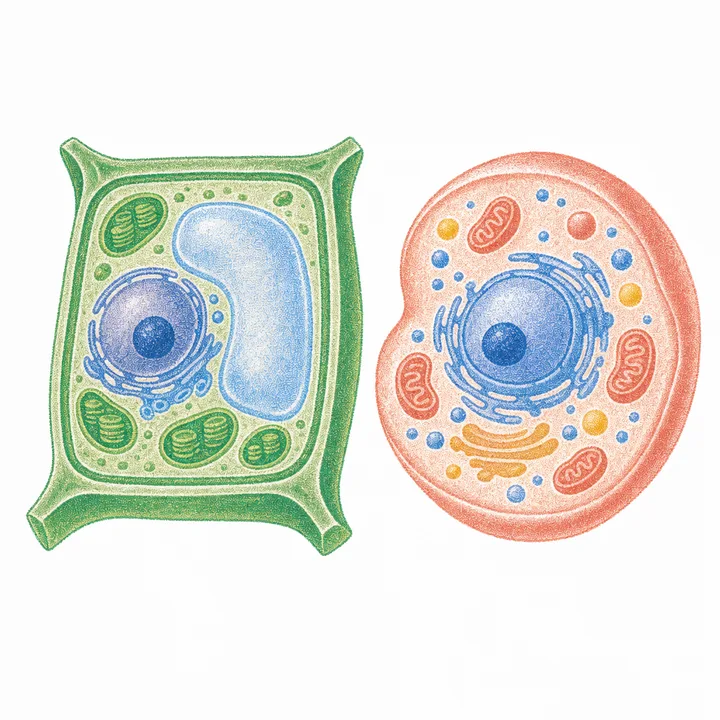
Compare two cells: one with walls and solar panels, one without.
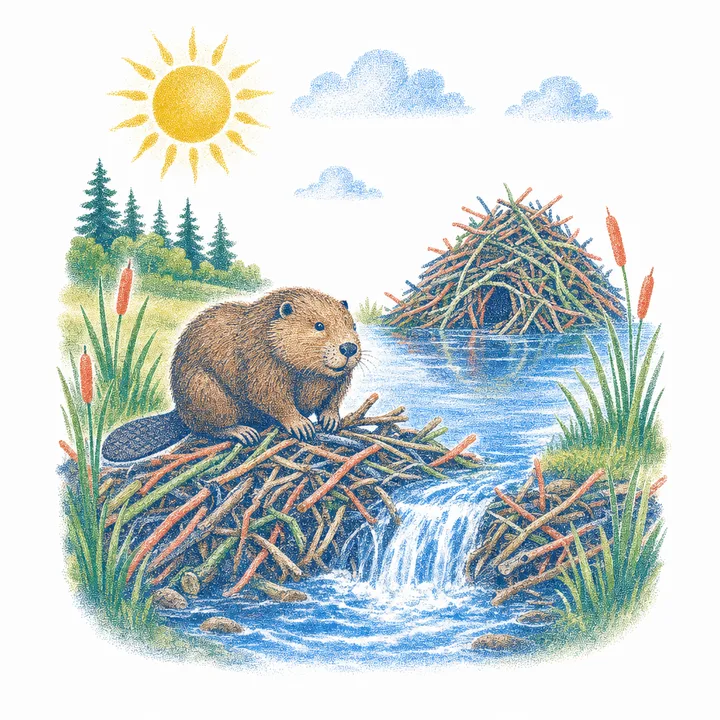
Stack sticks and mud to make a moat around your home.
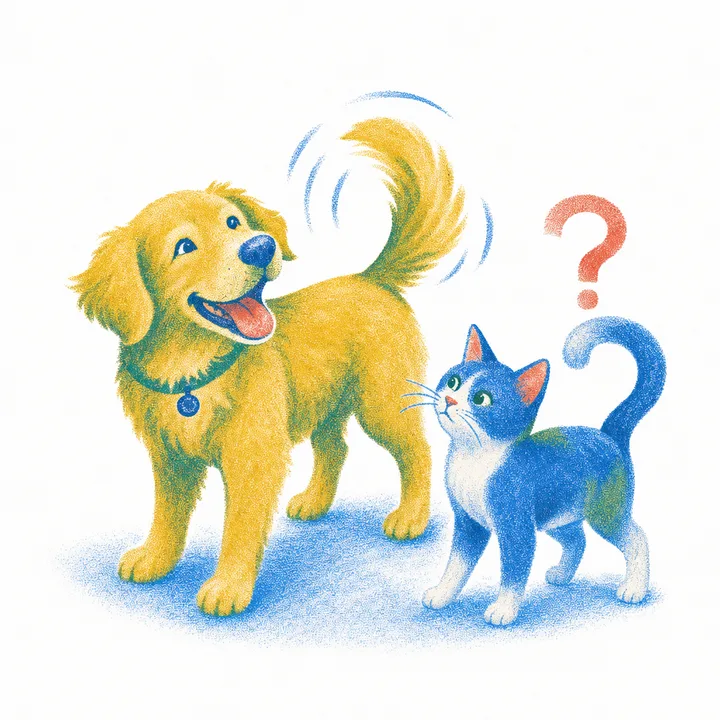
Read what a wag really means, left or right.
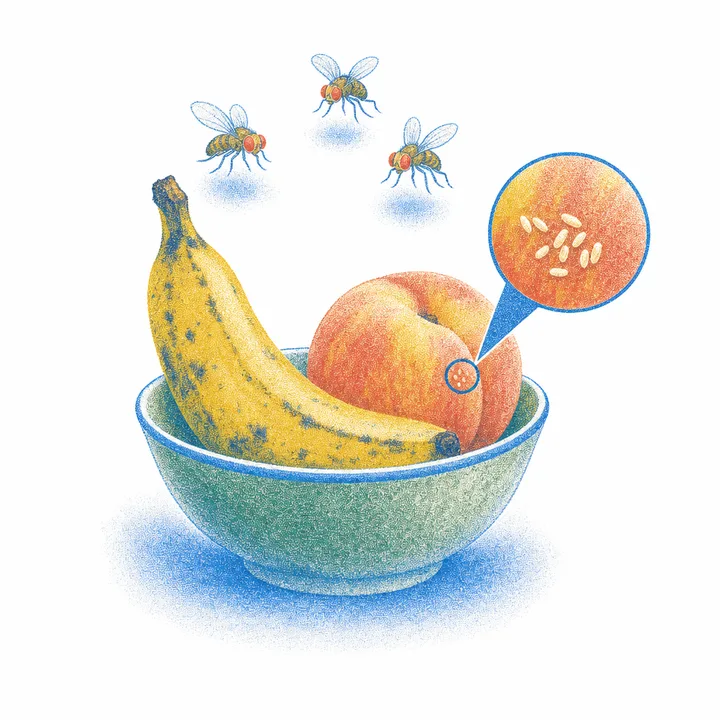
Find out how a tiny fly finds your banana in minutes.
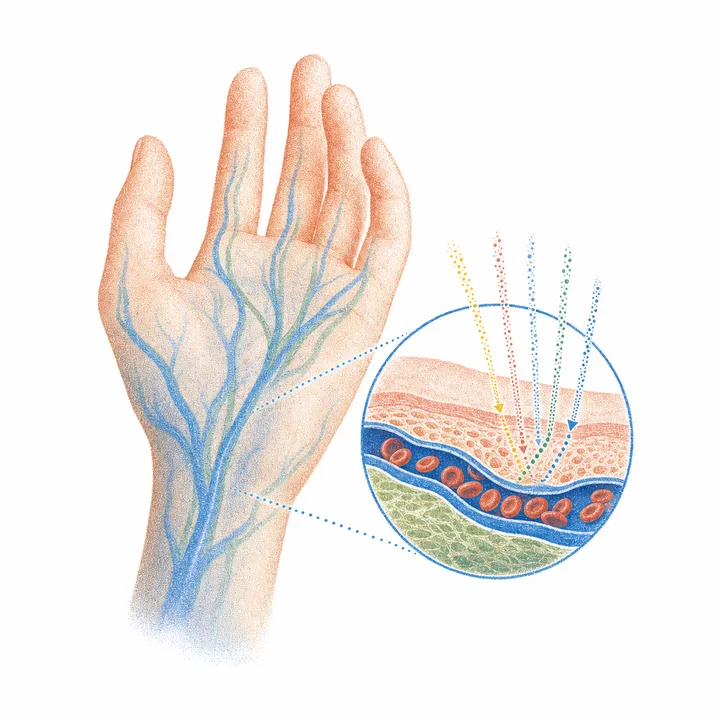
Discover why red blood looks blue through your skin.
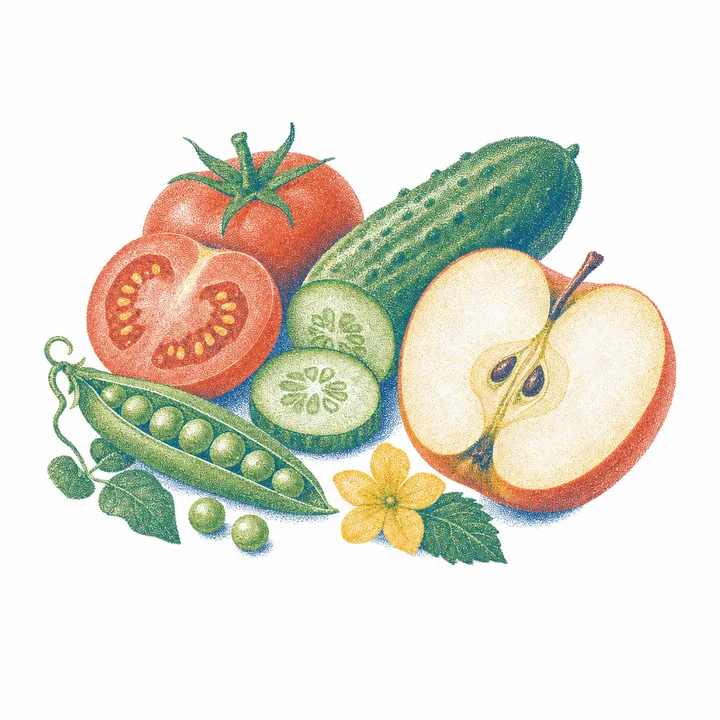
Is a tomato a fruit? Follow the seeds to find out.
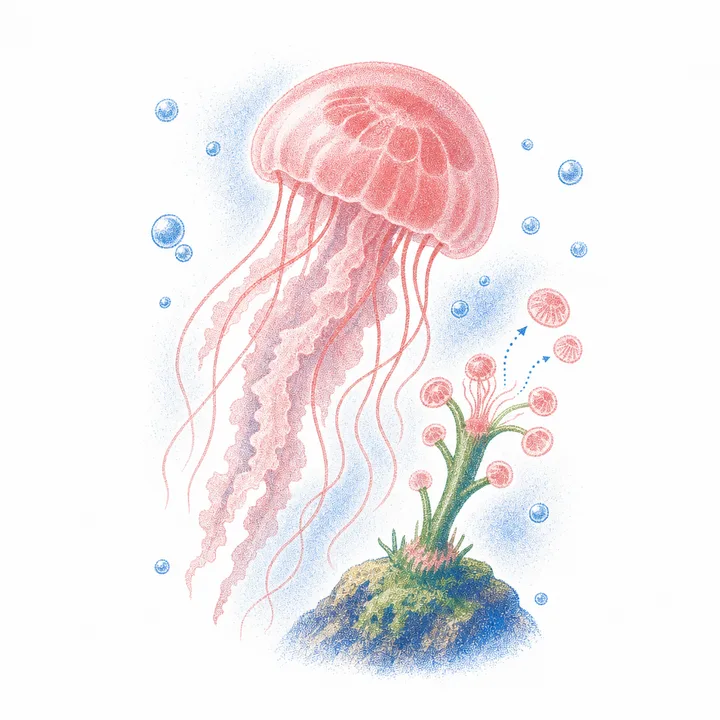
Meet an animal that can start life as a tiny stalk.
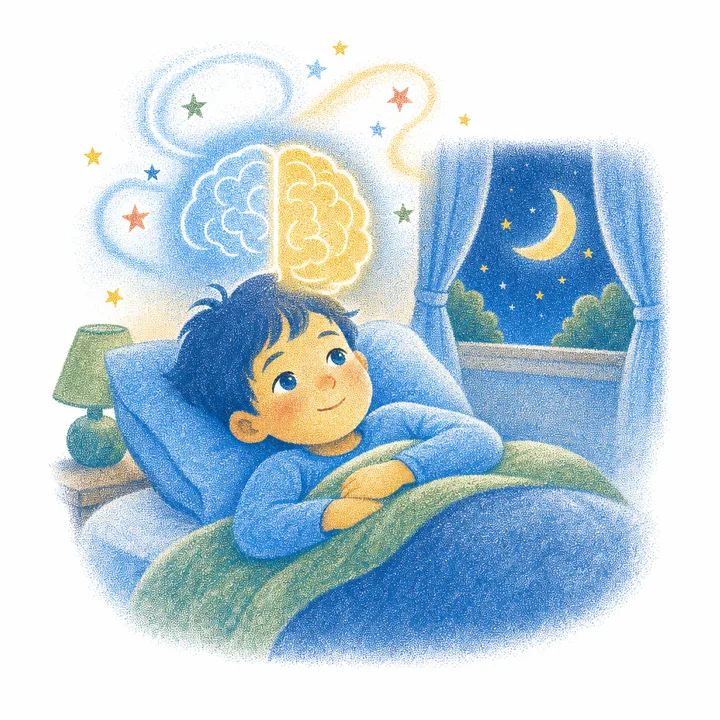
Find out why your brain can wake up before your body.
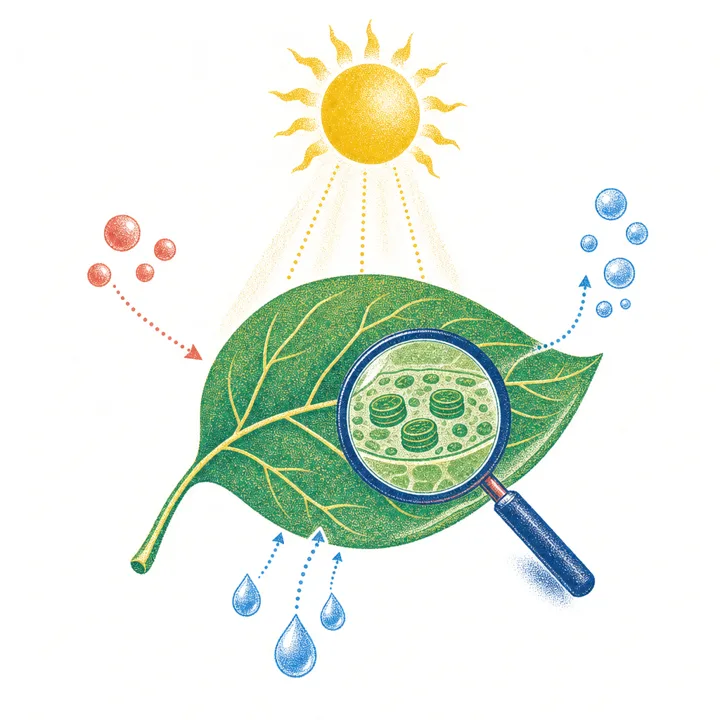
Shrink down into a leaf and watch sunlight turn into sugar.
Find out how mosquitoes survive the cold until spring.
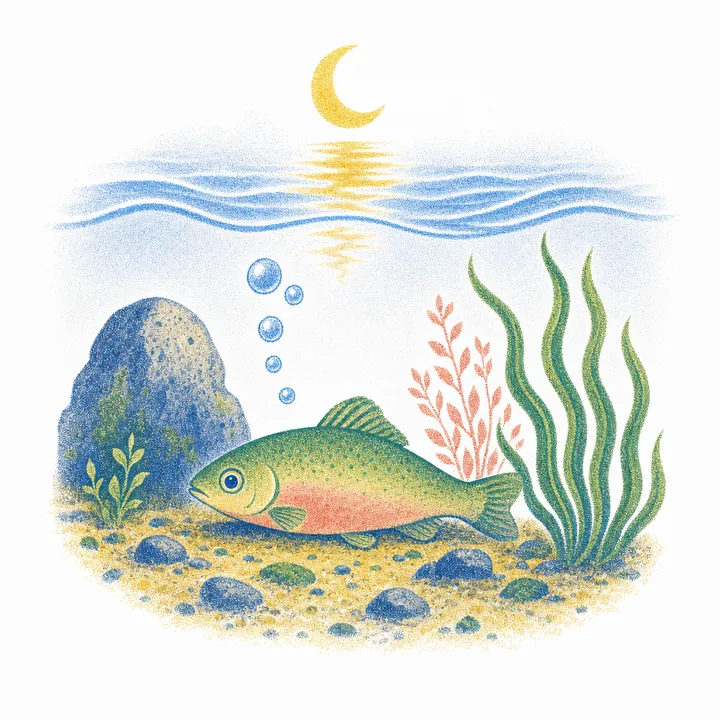
See how fish rest with their eyes wide open.
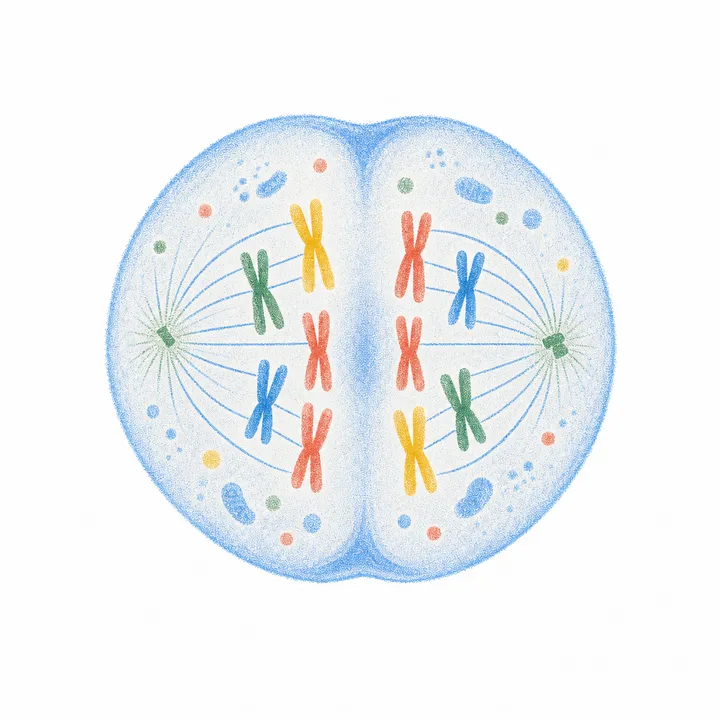
Split one cell into two twins, or four one-of-a-kind cells.